Cevap:
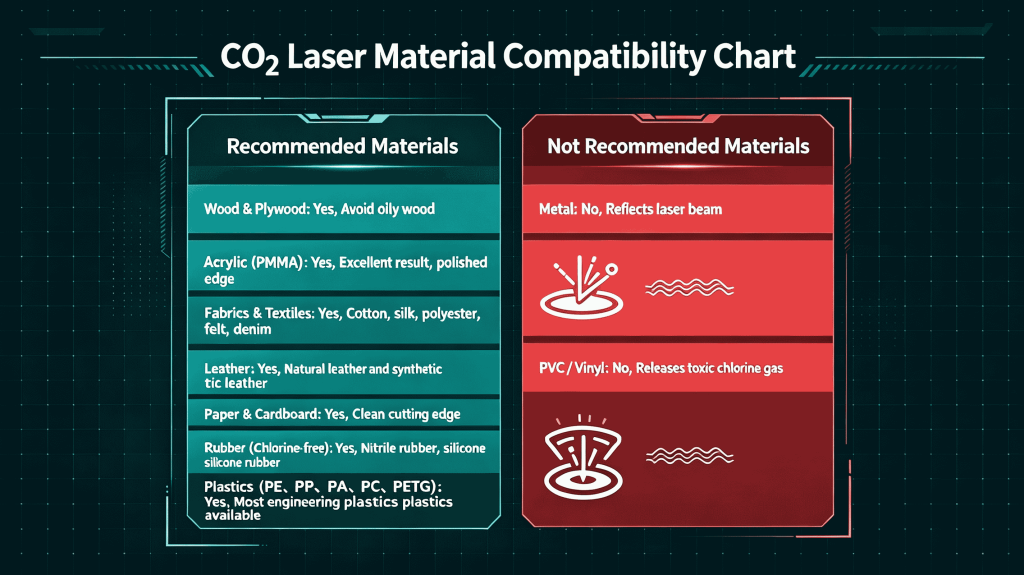
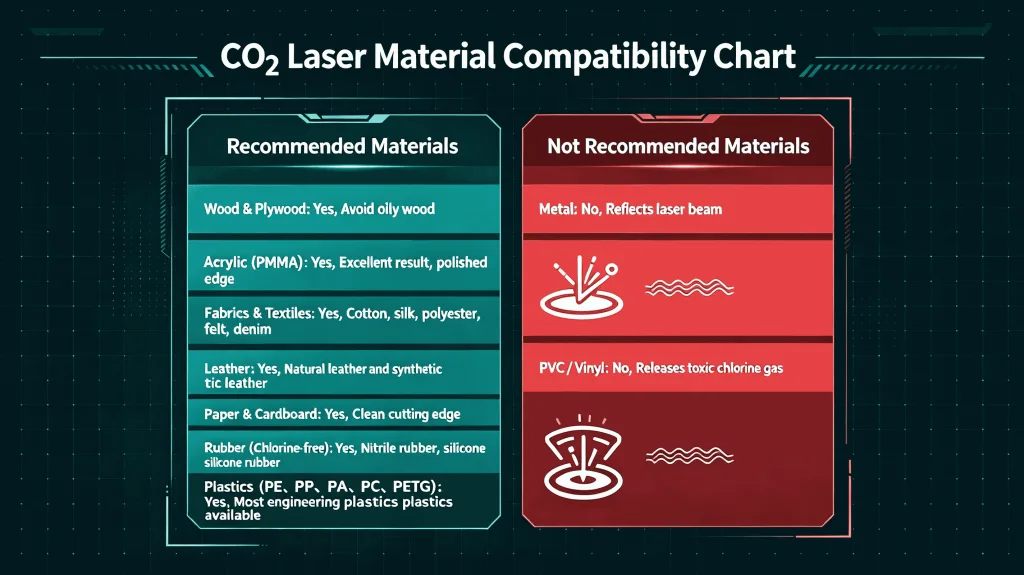
Short answer: CO₂ laser cutting machines can cut most non-metallic materials, including wood, acrylic, fabric, leather, paper, cardboard, rubber, plastics, and more. They cannot cut metals or PVC (polyvinyl chloride) materials.
CO₂ lasers operate at a wavelength of 10.6μm, which is easily absorbed by non-metallic materials. This makes them ideal for processing organic materials like wood, textiles, and plastics. Metals reflect the laser beam and cannot be cut with standard CO₂ laser cutting machines.
Materials Suitable for CO₂ Laser Cutting
Wood and Wood Products
CO₂ lasers cut and engrave wood with excellent results. Compatible wood materials include:
-
Plywood – clean cuts with minimal charring
-
Medium Density Fiberboard (MDF) – smooth edges, ideal for signage
-
Solid wood – basswood, balsa, pine, spruce
-
Cardboard and paper – crisp, clean cuts with high precision
⚠️ Note: Avoid cutting oily woods such as purpleheart and mahogany, as they can produce excessive smoke and residue.
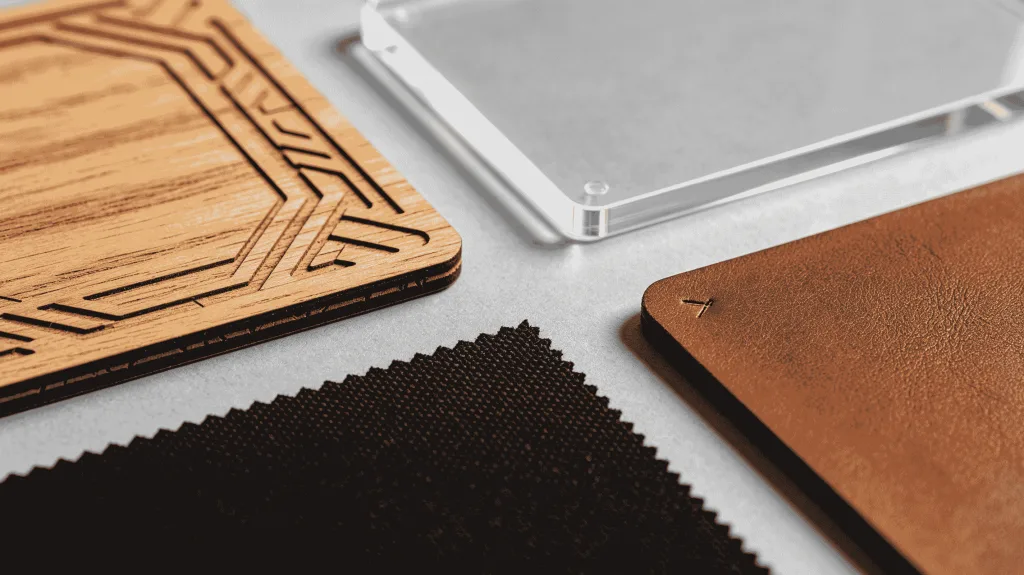
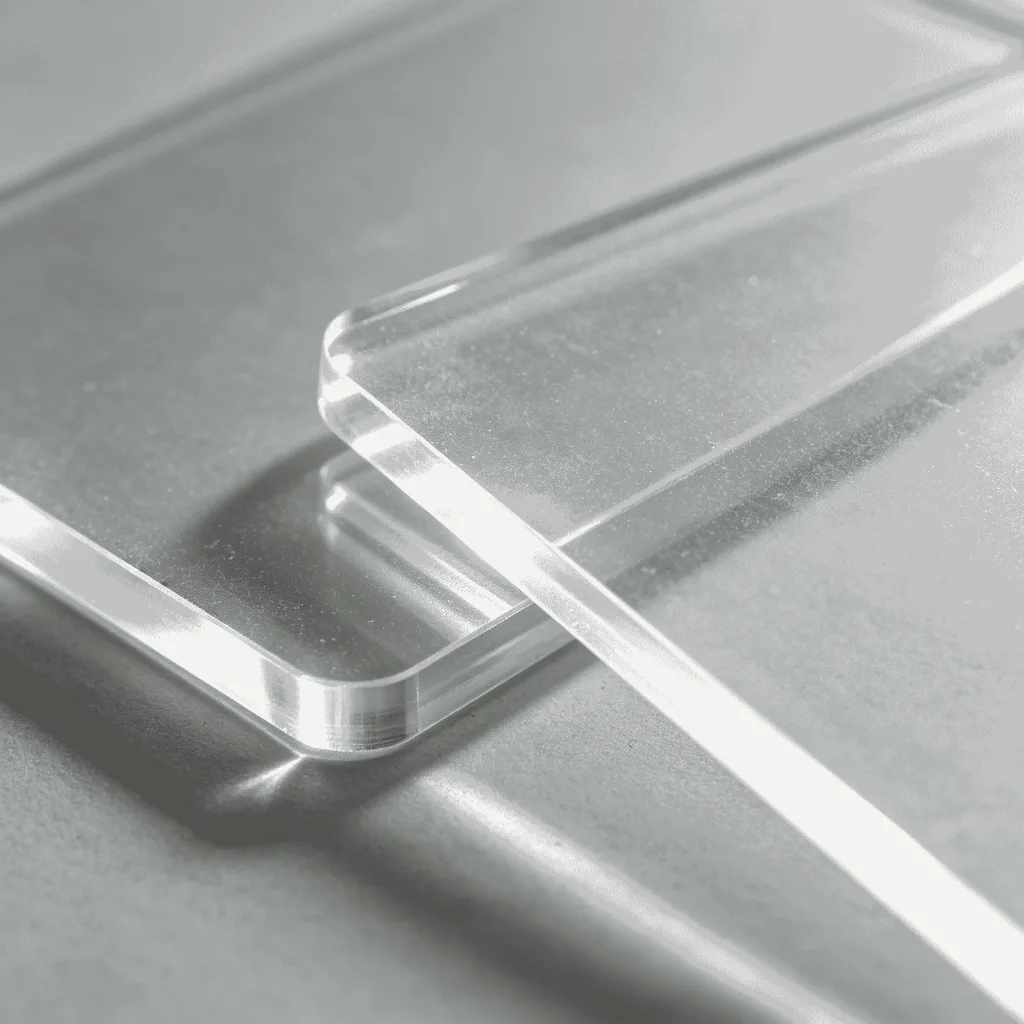
Acrylic (PMMA)
Acrylic is one of the most popular materials for CO₂ laser cutting. It produces:
-
Flame-polished edges on cast acrylic
-
Frosted engraving on extruded acrylic
-
Clean, transparent cut edges with no post-processing required
Fabrics and Textiles
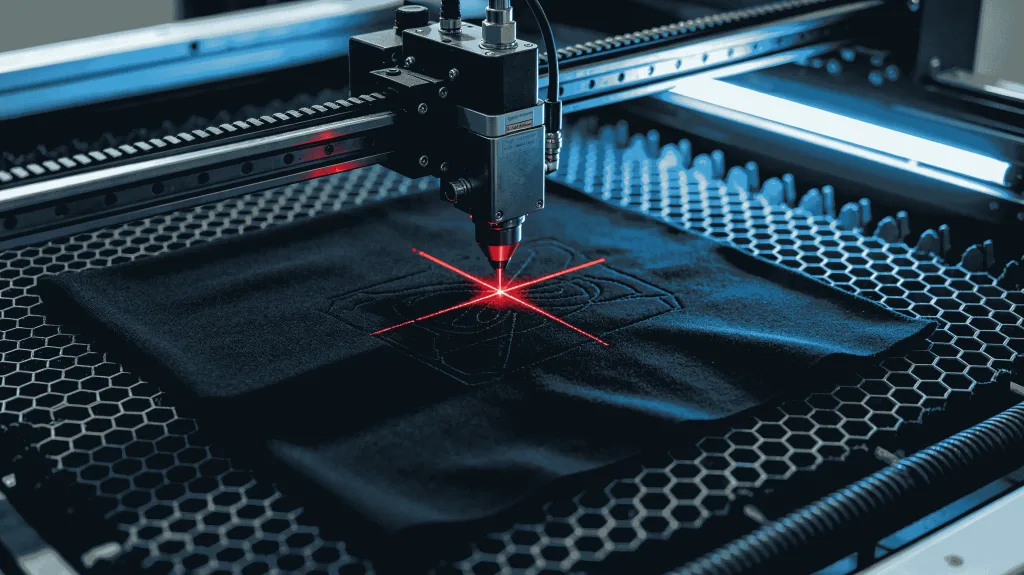
CO₂ lasers are widely used in the textile industry for cutting and engraving:
-
Natural fabrics – cotton, silk, linen, hemp
-
Synthetic fabrics – polyester, nylon, non-woven materials
-
Felt – clean edges without fraying
-
Denim – precise cutting with sealed edges
This is the core application of CO₂ fabric laser cutting machines.
Leather
Both natural and synthetic leather can be cut and engraved with CO₂ lasers:
-
Genuine leather – clean cuts, no burning when properly set
-
Synthetic leather (PU) – sealed edges prevent delamination
Paper and Cardboard
Paper products cut exceptionally well with CO₂ lasers:
-
Cardstock and construction paper
-
Cardboard and corrugated board
-
Matboard and chipboard
Rubber
Chlorine-free rubber can be cut with CO₂ lasers:
-
Nitrile rubber (NBR)
-
Silicone rubber
-
Natural rubber (chlorine-free)
⚠️ Important: Rubber must not contain chlorine. PVC-based rubber materials are strictly prohibited. A proper fume extraction system is required when cutting rubber to prevent smoke buildup.
Plastics
Many engineering plastics are compatible with CO₂ laser cutting:
| Plastic Type | Compatibility |
|---|---|
| Acrylic (PMMA) | ✅ Excellent |
| Polyamide (PA / Nylon) | ✅ Good |
| Polyethylene (PE) | ✅ Good |
| Polypropylene (PP) | ✅ Good |
| Polycarbonate (PC) | ✅ Yes |
| PETG | ✅ Good |
| Polyimide (PI / Kapton) | ✅ Good |
Materials NOT Suitable for CO₂ Laser Cutting
Metals
Standard CO₂ lasers cannot cut metals such as steel, aluminum, copper, or brass. The laser beam reflects off metal surfaces rather than being absorbed. High-power CO₂ lasers (kW range) can cut thin metals, but this requires specialized industrial equipment.
PVC (Polyvinyl Chloride) and Vinyl
Strictly prohibited for CO₂ laser cutting. PVC releases toxic chlorine gas and corrosive hydrochloric acid when laser-cut, which seriously endangers operator health and damages the machine. Most manufacturers explicitly void warranties if PVC is processed in their equipment.
Material Compatibility Summary Table
| Material Category | Suitable for CO₂ Laser? | Notes |
|---|---|---|
| Wood and Plywood | ✅ Yes | Avoid oily woods |
| Acrylic (PMMA) | ✅ Yes | Excellent results, polished edges |
| Fabrics and Textiles | ✅ Yes | Cotton, silk, polyester, felt, denim |
| Leather | ✅ Yes | Natural and synthetic |
| Paper and Cardboard | ✅ Yes | Clean cuts |
| Rubber (chlorine-free) | ✅ Yes | Requires fume extraction |
| Plastics (PE, PP, PA, PC, PETG) | ✅ Yes | Most engineering plastics |
| Metals | ❌ No | Reflects laser beam |
| PVC / Vinyl | ❌ No | Releases toxic chlorine gas |
Şirketimiz öncelikle şu ürünleri üretmektedir: CO₂ kumaş lazer kesim makineleri