Answer:
Short answer: Not recommended. Laser cutting PVC releases toxic fumes containing chlorine and highly corrosive hydrochloric acid gas, which seriously endangers operator health and causes irreversible damage to the laser equipment’s optical lenses, guide rails, and electronic components. Most laser equipment manufacturers explicitly list PVC cutting as warranty-voiding behavior.
Why is it not recommended?
PVC is polyvinyl chloride, with a chlorine content of about 57%. When a CO₂ laser beam hits PVC material, the high temperature decomposes it, releasing hydrogen chloride gas (HCl) and chlorine gas (Cl₂) . When these gases come into contact with moisture in the air, they rapidly form hydrochloric acid, which is highly corrosive. This causes three major hazards:
-
Equipment corrosion: Hydrochloric acid vapor corrodes lenses, guide rails, seals, and electronic components, causing the machine to fail in a very short time.
-
Health hazards: Chlorine and hydrogen chloride are toxic gases that strongly irritate the respiratory tract, eyes, and skin.
-
Warranty void: Most laser manufacturers explicitly prohibit cutting chlorine-containing materials (including PVC). Warranty is immediately void if violated.
Solutions for Different PVC Materials
1. Rigid PVC Sheets → CNC Milling Machine / CNC Router
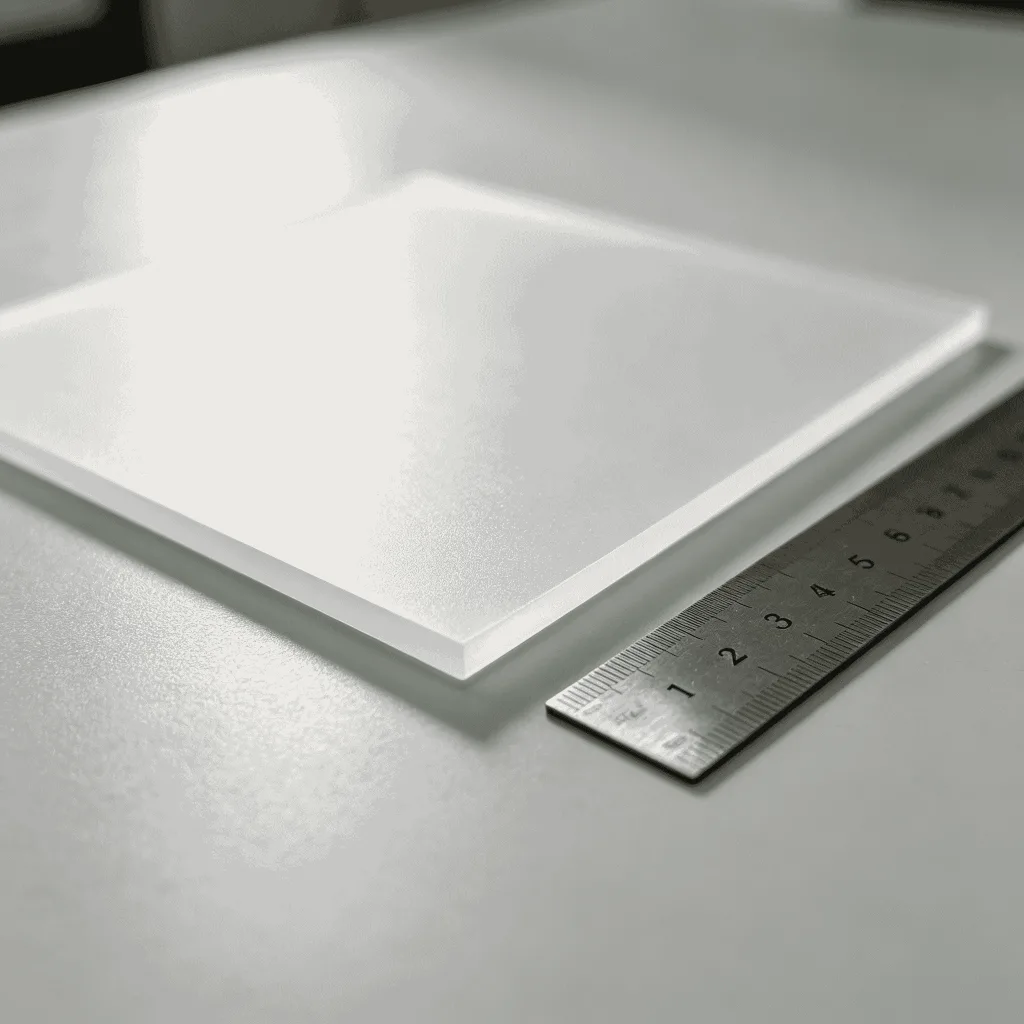
Rigid PVC sheets should be processed by mechanical milling, not laser cutting.
Recommended equipment: CNC Milling Machine / CNC Router
Selection criteria: Choose spindle power based on sheet thickness and required precision.
-
Thin sheets (below 3mm) : CNC Router with small-diameter end mills – high precision, smooth edges
-
Medium-thick sheets (3mm–20mm) : CNC Milling Machine with single-flute or double-flute spiral cutters – fast cutting, clean surface finish
-
Thick sheets (above 20mm) : High-power CNC machining center with large-diameter cutters – layered cutting ensures quality and efficiency
Advantages: No toxic fumes, smooth edges without odor, precision up to approx. 0.1mm
2. PVC Coated Fabrics → CNC Cutting Table (with Oscillating or Drag Knife)
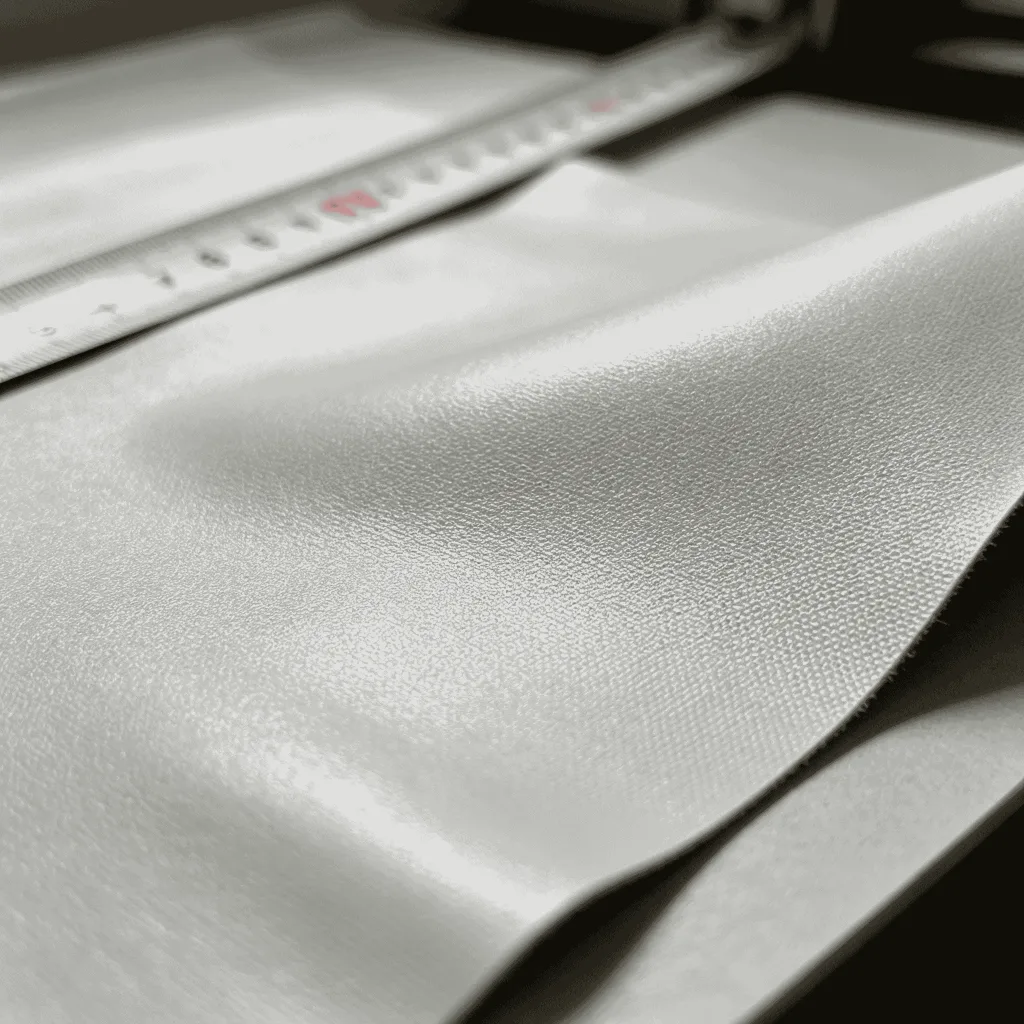
PVC coated textiles, tarpaulins, and covers should be cut with mechanical blades to avoid toxic fumes and coating melting caused by laser heat.
Recommended equipment: CNC Cutting Table (with oscillating knife or drag knife)
Selection criteria: Choose blade type based on material thickness and roll width.
-
Oscillating knife: Suitable for thicker coated fabrics – fast cutting, clean edges
-
Drag knife: Suitable for thinner coated fabrics – smooth cutting path
Advantages: No heat generation, coating does not melt, safe and environmentally friendly, no odor
3. Printed PVC Fabrics → Vision Registration + CNC Cutting Table
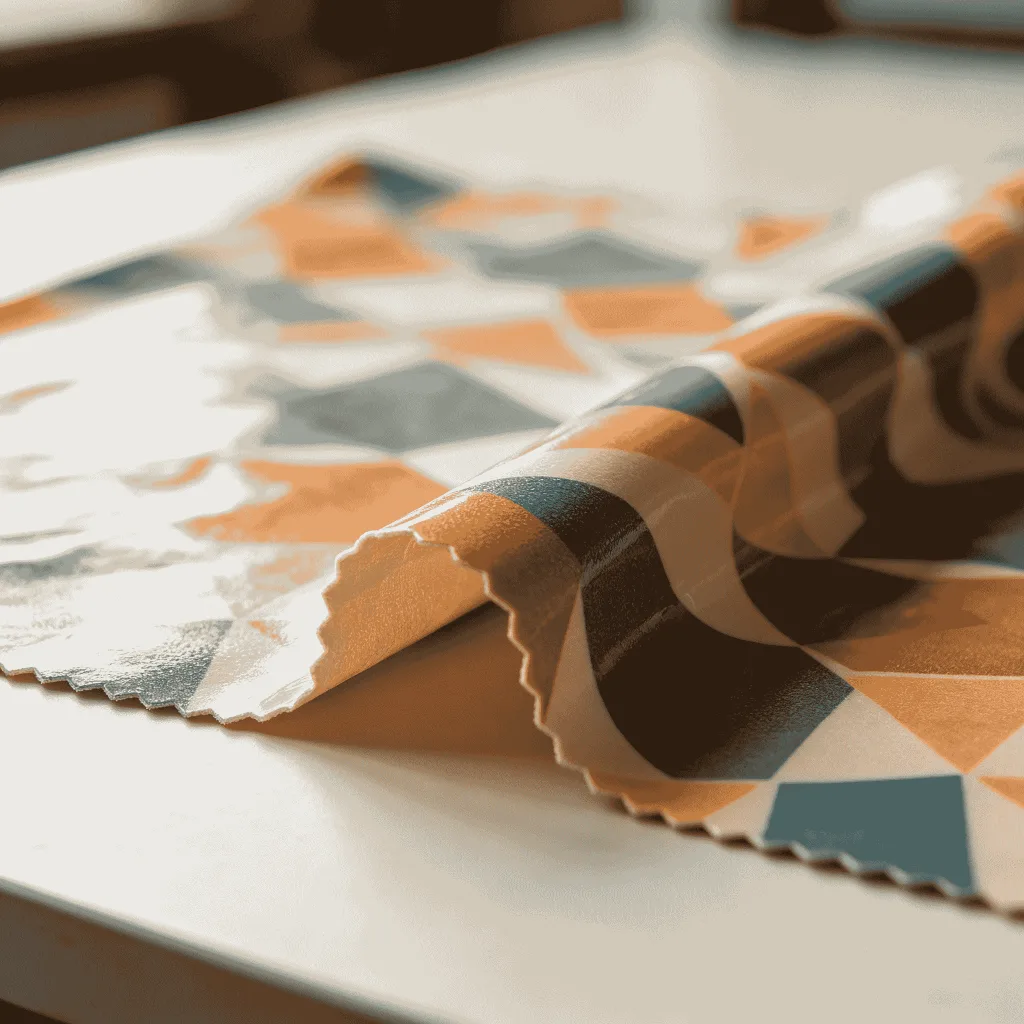
Printed fabrics require pattern registration and alignment cutting, but cannot be processed with lasers. A vision system with mechanical blades is required.
Recommended equipment: CCD Vision Registration CNC Cutting Table (with knife system)
Selection criteria: Alignment accuracy, registration mark recognition capability, width compatibility
Working principle: CCD camera detects printed contours → automatically generates cutting path → mechanical blades (oscillating knife or round knife) complete the cut
Advantages: High-precision pattern alignment, no thermal damage, no toxic fumes
4. PVC Foam Board (Foamex / Forex / Sintra) → CNC Router / Engraving Machine
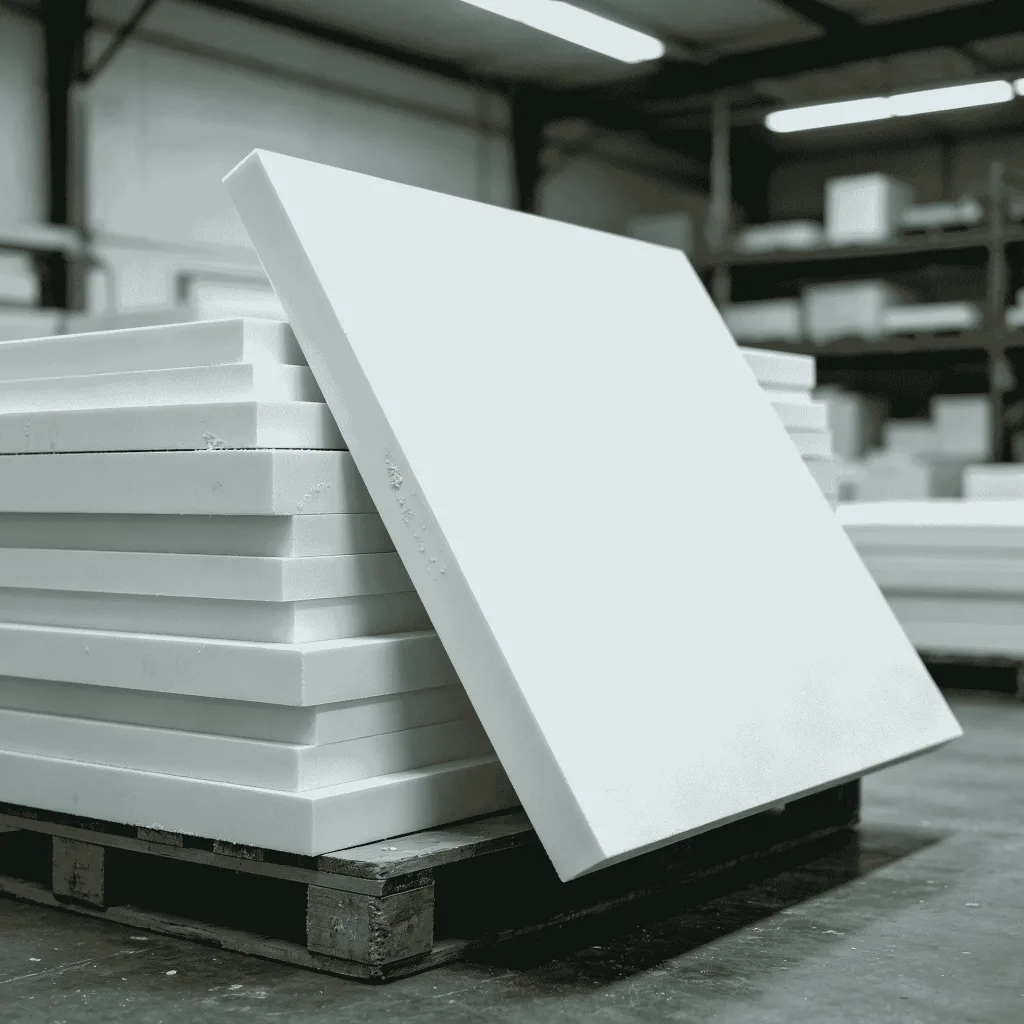
PVC foam board has low density and soft texture. It carries the highest risk and must never be processed with any laser equipment.
Recommended equipment: CNC Router / CNC Engraving Machine
Selection criteria: Choose cutters based on board density and thickness.
-
Use single-flute spiral cutters – high RPM, fast feed rate, smooth cut surface without chipping
-
Multi-functional: engraving, grooving, contour milling, drilling – all in one machine
Critical warning: The foam structure creates a large heated area, releasing hydrogen chloride gas extremely quickly, causing the most severe corrosion. There have been documented cases where a single CO₂ laser cutting run on PVC foam board destroyed all optical lenses and rusted the guide rails – repair costs exceeded half the machine’s purchase price.
Summary
| Material Type | Recommended Equipment | Prohibited |
|---|---|---|
| Rigid PVC Sheets | CNC Milling Machine / CNC Router | ❌ CO₂ Laser |
| PVC Coated Fabrics | CNC Cutting Table (Oscillating/Drag Knife) | ❌ CO₂ Laser |
| Printed PVC Fabrics | CCD Vision Registration Cutting Table | ❌ CO₂ Laser |
| PVC Foam Board | CNC Router / Engraving Machine | ❌ CO₂ Laser |
Our company primarily manufactures CO₂ fabric laser cutting machines, suitable for non-PVC materials such as cotton, silk, polyester, non-wovens, felt, leather, and more. If you do have PVC cutting requirements, we can recommend suitable non-laser processing equipment solutions.
Related products: Standard CO2 Laser Cutting Machine · High-Speed Fabric Laser Cutting Machine · What Materials Can a CO2 Laser Cutter Cut?
Cutting PVC or another tricky material? Ask us before you buy.